

In recent years, Amazon has been steadily pushing the boundaries of logistics and supply chain management. Its newest wave of automation initiatives—powered by robotics, artificial intelligence (AI), and advanced data analytics—marks another major turning point in how goods move from factory to front door. The company that redefined e-commerce is now redefining logistics itself, and the ripple effects are being felt across the global supply chain.
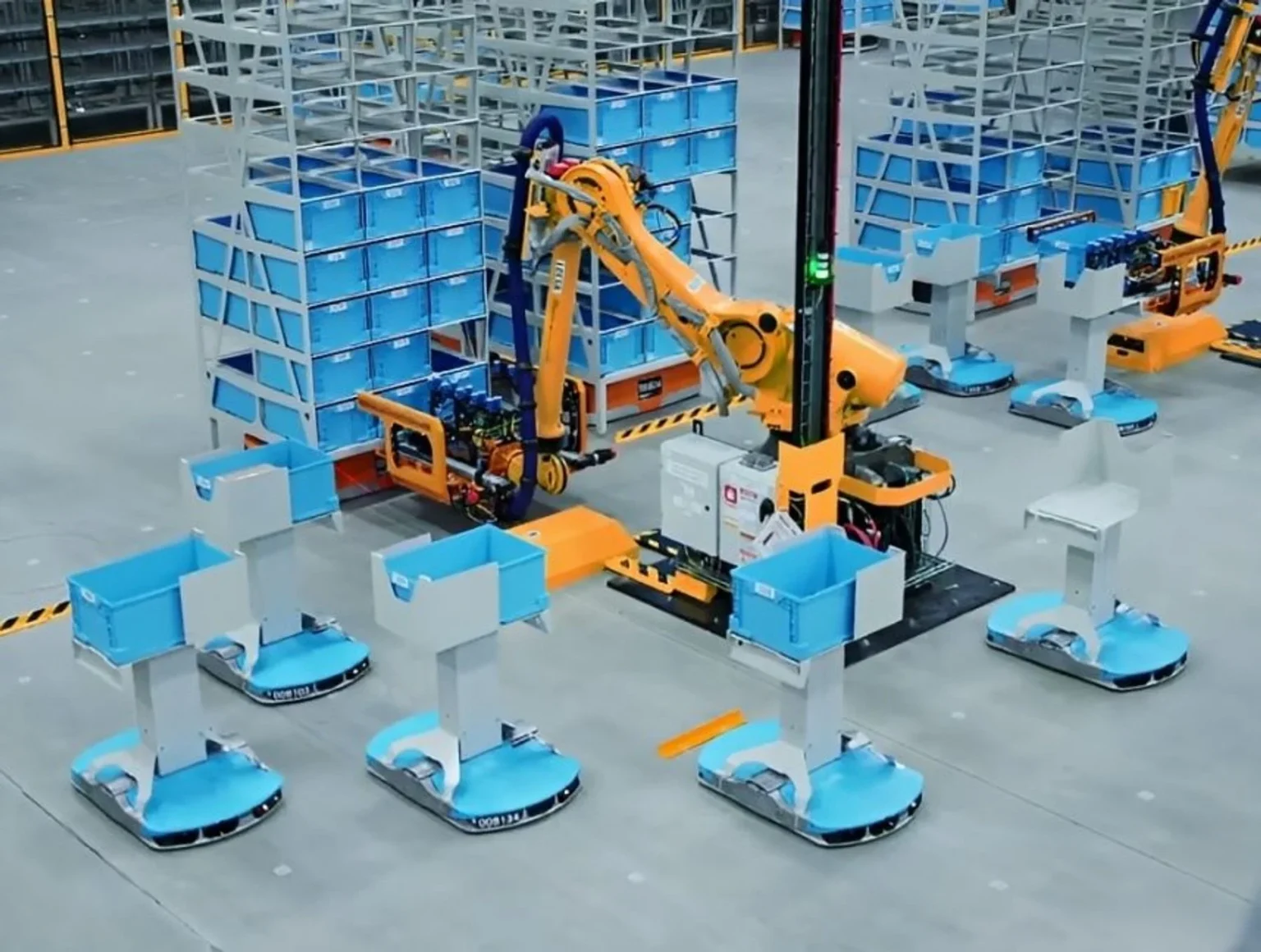
At the center of this transformation is Amazon’s growing ecosystem of automated logistics systems. The company began experimenting with robotics more than a decade ago, but the pace has accelerated dramatically. Amazon’s fulfillment and sorting centers now feature fleets of intelligent robots that work alongside human employees to pick, pack, and prepare orders faster and with greater precision. These aren’t the clunky, single-purpose machines of the past. They are mobile, vision-equipped robots capable of identifying products, navigating complex warehouse layouts, and learning from every movement they make.
New generations of mobile drive units—autonomous platforms that ferry products across vast fulfillment spaces—are already replacing the need for fixed conveyor systems. Amazon’s “Proteus” robots, for example, use advanced sensors and AI-driven navigation to move freely among human workers without safety cages or designated robot zones, representing a shift toward a more collaborative, flexible warehouse model. Meanwhile, automated storage and retrieval systems are making it possible to store more goods in less space and retrieve them in seconds, a critical advantage in a market where next-day delivery has become the norm.
Beyond physical automation, Amazon is using AI to bring intelligence to every layer of its supply chain. Predictive analytics forecast demand more accurately, allowing the company to position inventory closer to where it will be needed. Machine learning algorithms optimize delivery routes in real time, taking factors such as traffic, weather, and fuel efficiency into account. Cloud-based control systems tie all these elements together, ensuring that logistics decisions happen dynamically—rather than relying on static schedules or manual inputs.
Amazon’s investments are not just about speed and efficiency; they’re also about resilience. The disruptions of recent years—ranging from global supply shortages to labor constraints—have highlighted the vulnerabilities in traditional logistics models. Automation gives Amazon the ability to maintain operations even when faced with such challenges. Robotic systems don’t tire, and AI-driven planning reduces the risk of bottlenecks or misplaced inventory. As a result, the company is better positioned to adapt to volatile market conditions and meet escalating consumer expectations.
Of course, automation at this scale also brings new challenges. Amazon has been careful to frame its robotics strategy as augmentation rather than replacement—machines handling repetitive or ergonomic tasks, while humans focus on problem-solving, quality control, and complex decision-making. Still, as more facilities adopt these technologies, the nature of warehouse work is changing, and the broader logistics workforce—at Amazon and beyond—will need to adapt with new technical skills and training.
Other companies are watching closely. Amazon’s advancements tend to set new industry benchmarks, prompting logistics providers, manufacturers, and retailers to invest in similar technologies to stay competitive. Automation vendors are developing new solutions tailored for fulfillment operations, while traditional carriers are exploring ways to incorporate AI-based optimization into their delivery networks. The result is an industry-wide race toward smarter, more resilient logistics ecosystems.
Ultimately, what Amazon is building is not just a faster distribution network but an intelligent infrastructure for the future of commerce. By weaving robotics, data, and AI into the fabric of its operations, the company is redefining what efficiency, flexibility, and scale mean in global supply chains. As automation continues to evolve, it’s clear that Amazon’s latest leap forward will influence how the entire logistics industry moves—literally and strategically—for years to come.
How Robotics and AI Are Reshaping Supply Chains
The adoption of robotics and AI in logistics is transforming the supply chain from end to end, creating processes that are not only faster but also smarter. Where human labor once dictated the pace of operations, robotic systems are introducing an unprecedented level of precision and predictability. AI-based forecasting tools use historical data, seasonal patterns, and real-time insights to anticipate demand, minimizing overstocks and shortages. Meanwhile, autonomous delivery systems—ranging from sidewalk robots to aerial drones—are being tested to shorten the “last mile,” historically one of the most complex and costly parts of the delivery process.
These innovations don’t exist in isolation; they are part of a connected ecosystem. A fulfillment center’s robots may communicate with transport management systems that coordinate fleets of trucks, which in turn sync with data platforms predicting local delivery windows. This integration allows companies to make decisions at the pace of commerce itself, reacting to shifts in consumer demand with agility once thought impossible.
As Amazon continues to refine its automated logistics systems, the industry is reaching a pivotal moment. The convergence of robotics, AI, and real-time data is blurring the boundaries between physical and digital supply chains. For Amazon, these technologies are not simply tools for achieving efficiency—they are the foundation for a flexible, intelligent logistics network built for an unpredictable future. And for the broader industry, Amazon’s breakthroughs serve as both a model and a challenge: automation is no longer an advantage; it’s a necessity for those who intend to compete in the next era of global commerce.