
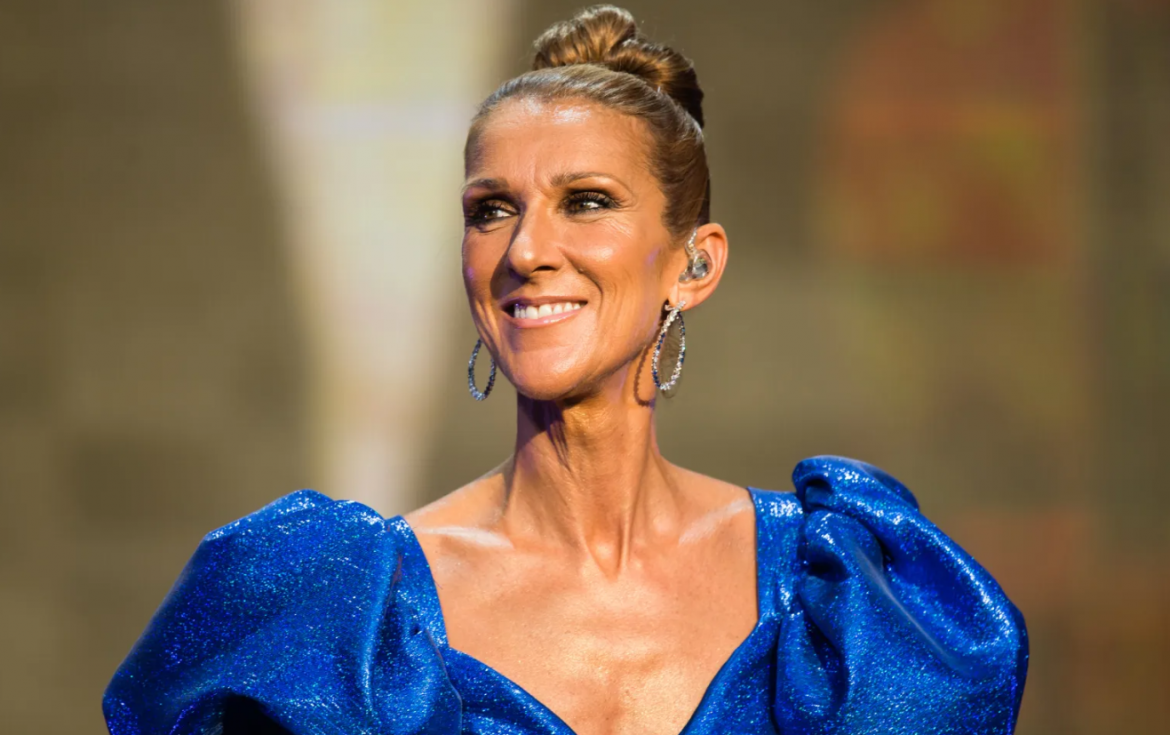
Few singers have achieved the international reach, commercial success and cultural recognition of Celine Dion. From a childhood in a large working-class family in Quebec to some of the world’s biggest stages, Dion’s career has developed into one of the most remarkable stories in modern popular music. Her powerful voice, multilingual repertoire and emotionally direct performance style have allowed her to build enormous audiences across linguistic and national boundaries.
Celine Dion was born on March 30, 1968, in Charlemagne, Quebec, the youngest of fourteen children. Music was central to family life, and she began performing when she was still very young. At twelve, Dion recorded a song she had written with her mother and brother. Her mother sent the recording to music manager René Angélil, who was so impressed by Dion’s potential that he eventually became her manager and helped finance her early career.
Success came quickly in the French-speaking music world. Dion released recordings as a teenager, received major awards in Quebec and developed an audience in France. An important international breakthrough occurred in 1988 when she represented Switzerland at the Eurovision Song Contest and won the competition. The victory introduced her to millions of European viewers and marked an important step toward the international career that followed.
Dion then made an ambitious transition into the English-language music market. Her 1990 album Unison produced the hit “Where Does My Heart Beat Now,” establishing her in North America beyond French-speaking Canada. Her performance of “Beauty and the Beast” with Peabo Bryson brought further international recognition and a Grammy Award, helping position Dion among the leading pop vocalists of the decade.
The 1990s transformed her into a global superstar. Albums including The Colour of My Love, Falling into You and Let’s Talk About Love sold tens of millions of copies. Songs such as “The Power of Love,” “Because You Loved Me” and “It’s All Coming Back to Me Now” became international hits. At the same time, Dion maintained an enormously successful French-language career, particularly through her collaboration with songwriter Jean-Jacques Goldman. Her album D’eux became one of the most successful French-language albums ever released.
Her signature recording arrived through James Cameron’s 1997 film Titanic. “My Heart Will Go On” became inseparable from the movie and developed into one of the most recognisable film songs in popular culture. The song won major awards and reached audiences around the world, while Titanic itself became a cultural phenomenon. For many listeners, the recording remains the song most immediately associated with Dion.
Her relationship with René Angélil was equally important to her personal and professional story. Angélil had guided her career from adolescence, and the pair eventually became romantically involved and married in 1994. They subsequently had three children. His death from cancer in January 2016 represented a profound personal loss for Dion, who frequently spoke about his influence on both her life and career.
Another defining stage of Dion’s career came through Las Vegas. Her residency A New Day… opened at Caesars Palace in 2003 and ultimately ran for more than 700 performances. Its extraordinary commercial success helped change perceptions of Las Vegas residencies, demonstrating that major contemporary artists could use long-term productions in the city as prestigious global attractions rather than simply as late-career engagements.
Dion continued recording and touring internationally, but her career later faced an enormous challenge. In 2022 she publicly revealed that she had been diagnosed with stiff person syndrome, a rare neurological disorder that can cause severe muscle stiffness and spasms. The condition interfered with her ability to perform and forced her to cancel planned concerts while undergoing extensive treatment.
Her health journey was explored in the 2024 documentary I Am: Celine Dion, which offered an unusually intimate look at the physical difficulties she faced. That same year, Dion made a highly publicised return to live performance during the opening ceremony of the Paris Olympic Games, singing from the Eiffel Tower. The appearance became one of the most discussed musical moments of the ceremony.
By 2026, Dion was again preparing for major live appearances. Her official site lists the Céline Dion – Paris 2026–2027 project, marking another significant chapter in her return to performance.
Celine Dion’s legacy, however, extends well beyond record sales. She became a rare artist capable of maintaining enormous careers in both French and English, while her vocal performances influenced generations of singers. Her journey from Charlemagne to global superstardom has involved extraordinary commercial triumphs, profound personal losses and serious health challenges.
After more than four decades in music, Dion remains one of Canada’s most internationally recognised cultural figures. Her voice made her famous, but the persistence with which she has repeatedly returned to music through personal and professional adversity has become an equally important part of her public story.