

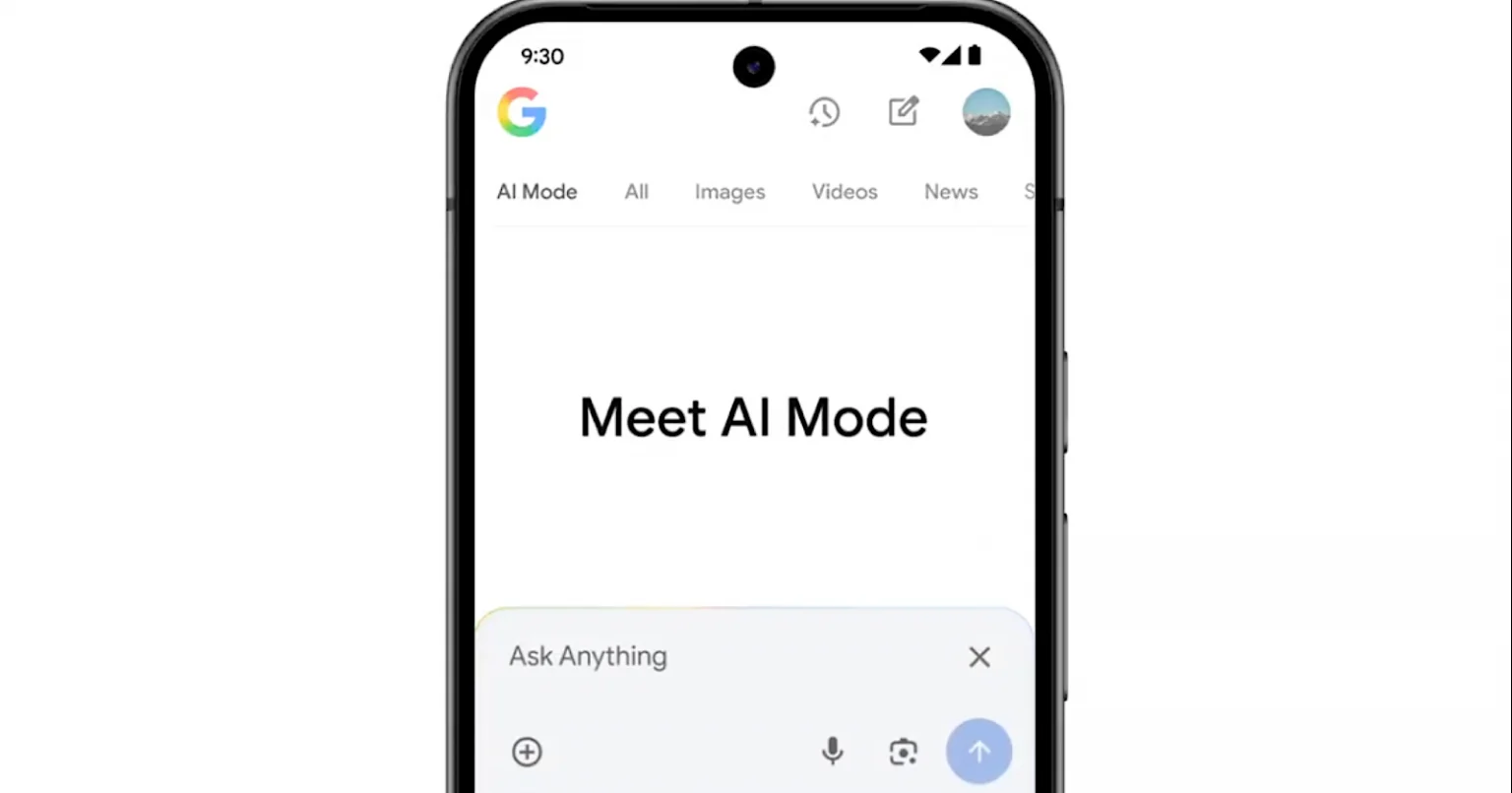
In 2025, Google’s ongoing transformation of its search platform has reached a new milestone: the widespread integration of advanced artificial intelligence into how results are discovered, ranked, and presented. The company’s Search Generative Experience (SGE) and related AI-driven features are introducing more conversational, context-aware, and visual ways to uncover information online.
For millions of users, this means search is no longer just about typing keywords and getting a list of blue links. Instead, Google is using AI to understand intent, context, and nuance—delivering responses that resemble concise explanations, visual summaries, or even step-by-step answers. This evolution signals a shift from “searching” to “understanding,” where the technology anticipates what the user truly seeks.
At the heart of this transformation is generative AI. Google’s models can now synthesize information from a wide range of trusted sources, creating summaries that help users grasp a topic quickly. When someone searches for “how to plan a sustainable vacation,” the AI might generate a highlighted overview explaining eco-friendly travel options, budget considerations, and relevant destinations before showing traditional web links below.
The approach aims to save users time and encourage exploration while maintaining connections to original content sources—a critical balance for both user trust and publisher visibility. AI-powered search also allows Google to handle more complex or ambiguous queries that often deviate from the “exact match” model of the past. The system can interpret intent, cross-reference content, and produce a coherent synthesis in seconds.
This transformation also fits into Google’s broader strategy to keep pace with rapidly growing competition from AI chatbots and generative platforms. With services like OpenAI’s ChatGPT and Microsoft’s Copilot offering conversational search experiences, Google’s move underscores its intent to remain at the center of how people find information online. It’s not simply about adding more technology; it’s about redefining the essence of information retrieval in an era shaped by AI.
How smarter algorithms refine user experiences
For end users, the experience feels progressively more interactive and intuitive. Google’s smart algorithms are learning to interpret context—not just the words typed into the search box, but the intent behind them. Someone planning a meal may see recipe ideas, nutritional information, and related cooking videos without needing multiple searches.
This context-awareness also extends to personalization. AI models can learn preferences over time, suggesting content and resources that align with individual interests while aiming to uphold privacy standards. Google uses anonymized behavior patterns to refine recommendations, ensuring that what appears in results feels uniquely relevant without invading personal data boundaries.
Visual and multimedia results are also evolving. With generative AI in image and video search, Google can identify and summarize key moments, recommend related creative resources, or generate new formats for exploring data visually. These features are blending information and presentation in ways that make search more dynamic and engaging.
Importantly, Google emphasizes that human oversight and quality signals remain crucial. The company’s updates include mechanisms to ensure that AI answers cite reliable sources and adhere to content responsibility guidelines. This hybrid approach—human-curated data reinforced by automated reasoning—marks an attempt to keep AI both informative and accountable.
As AI continues to mature, users can expect searches that feel less mechanical and more like a conversation with a knowledgeable assistant. Whether booking travel, comparing products, or seeking advice on complex topics, search is becoming faster, deeper, and more attuned to nuance.
Google’s expansion of AI in search marks one of the most profound shifts since its original algorithm revolutionized the web two decades ago. The coming years will reveal how well this balance—between intelligent automation and trustworthy human information—holds. But one thing is clear: search is no longer static; it’s evolving into a living dialogue between human curiosity and machine understanding.